
Blog
What Affects the Cost of Driveways and Paving in St Albans?
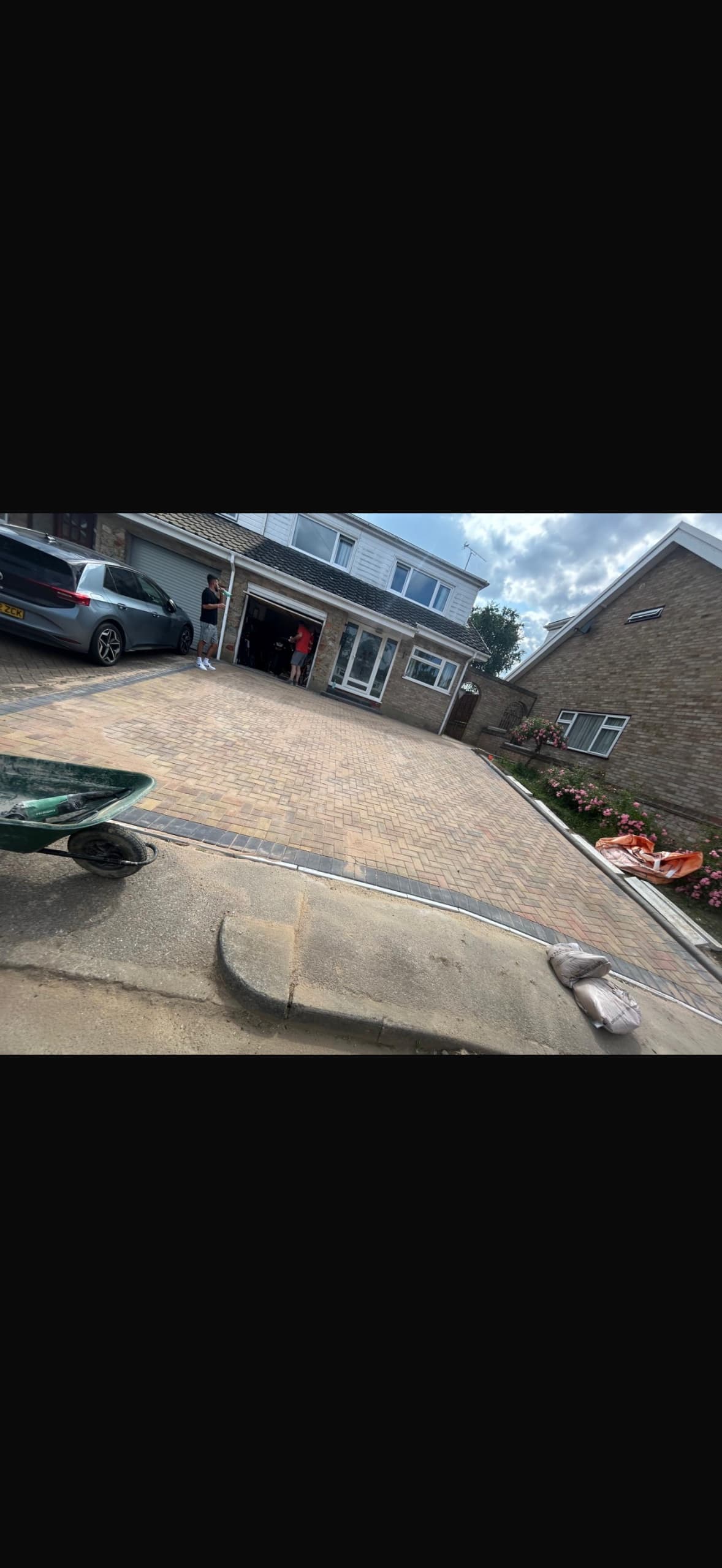
What affects the cost of driveways and paving in St Albans?
If you are planning a new driveway, paved entrance or patio, the final cost depends on considerably more than the surface material. Ground conditions, access, drainage, preparation and the size of the project all need to be assessed before an accurate quote can be prepared.
For homeowners in St Albans, Hatfield, Harpenden and surrounding areas, understanding these factors makes it easier to compare quotations properly and plan the work with fewer surprises. It also helps ensure the finished driveway is suitable for the property, the expected traffic and the local site conditions.
1. The size and shape of the area
The total area is one of the most obvious factors. A single car parking space will require less excavation, sub-base material and labour than a wide driveway serving several vehicles. Irregular shapes, curves, borders and separate paved sections can also increase the amount of setting out and cutting required.
It is worth considering the whole layout at the planning stage. A driveway may connect to a front path, patio, garden wall or entrance area. Treating these elements as one coordinated design can produce a cleaner result than adding separate sections at different times.
2. The paving material you choose
Different materials have different supply, preparation and installation requirements. Common driveway and paving options include block paving, concrete, natural stone, porcelain paving and tarmac, although the best choice depends on how the area will be used and the appearance you want to achieve.
Block paving allows patterns, edging and repairs to be considered as part of the design. Natural stone can suit traditional properties around St Albans, while porcelain may be considered for a contemporary patio or outdoor living area. The material should be assessed alongside the property, access requirements, expected vehicle use and maintenance preferences.
Ask for quotations to identify the proposed material clearly. Terms such as “paving” can cover a wide range of products with very different specifications and installation requirements.
3. Excavation and ground preparation
A driveway is only as reliable as the ground beneath it. Existing tarmac, concrete, paving, soil, roots and buried obstructions may need to be removed before construction can begin. The depth of excavation depends on the existing ground, the chosen surface and the loads the driveway is expected to carry.
A suitable sub-base provides stability and helps reduce movement, sinking and cracking. If the ground is soft, uneven or affected by previous construction, additional preparation may be needed. Skimping on this stage can create problems that are more expensive and disruptive to correct later.
4. Drainage and surface water
Drainage is a key consideration for driveway paving in St Albans. Rainwater needs to be managed so it does not collect against the house, flow towards neighbouring land or overload an unsuitable outlet.
The design may need falls, channels, soakaway arrangements or a permeable surface, depending on the property and site conditions. Existing drains should also be considered before excavation starts. A quote that explains how surface water will be dealt with gives you a much clearer understanding of the proposed work.
Drainage may be particularly important where a driveway is near a basement, extension, retaining wall or lower entrance. These details can affect both the construction method and the overall scope of the project.
5. Access to the property
Restricted access can affect labour, deliveries, removal of waste and the equipment that can be used. Narrow roads, terraced properties, shared drives and limited front gardens are common considerations in established areas such as St Albans, Barnet, Radlett and Bernards Heath.
If materials cannot be delivered close to the work area, they may need to be moved manually. This can add time to the project. Let the contractor know about parking restrictions, gates, shared access and any limits on delivery times before the quotation is prepared.
6. Edging, walls and additional landscaping
Edging helps define a driveway and can protect the surrounding lawn, planting or paving. Depending on the property, the project may also involve steps, garden walls, retaining features, fencing or changes to the surrounding landscaping.
These additions can improve the finished appearance, but they also affect the scope. If you are considering landscaping, garden walls or a patio at the same time, ask whether the work can be planned together. This may simplify access and reduce the need to disturb completed areas later.
7. Planning and project requirements
Some driveway projects have straightforward requirements, while others need closer consideration because of levels, drainage, access or nearby structures. Larger planned projects may need coordination with other building work, particularly where the driveway forms part of a house extension, new build construction or wider structural and foundations work.
A clear brief should cover the area to be paved, preferred materials, drainage, edging, access arrangements and any connection to patios or paths. Photographs and measurements can help begin the discussion, but a proper site assessment is usually needed before the work can be specified accurately.
How to compare driveway paving quotes
Do not compare quotations on the headline figure alone. Check whether each quote includes removal of existing surfaces, excavation, waste disposal, sub-base preparation, drainage, edging, materials and finishing details.
Ask what assumptions have been made about the ground and whether unexpected obstructions would be treated as additional work. It is also sensible to check the proposed programme, payment stages, access arrangements and what happens if weather affects the planned work.
For added reassurance, Quinnmore Construction Ltd holds CSCS and offers a 12 month workmanship guarantee. The business takes on planned, larger projects for homeowners and builders, including driveway and paving work across St Albans and nearby areas such as Hatfield, Welwyn Garden City, Potters Bar, Finchley and Harpenden.
Planning your driveway in St Albans
The most useful first step is to arrange a clear conversation about the site, the intended use and the finish you want. A detailed quote should explain the work rather than simply list a surface material and a total.
For planned driveway, paving, patio and wider landscaping projects in St Albans, contact Quinnmore Construction Ltd to discuss your requirements and request a tailored quote. Saturday availability can make it easier to arrange an initial discussion around work and family commitments.