
Blog
Signs You Need a New Patio, Landscaping or Garden Wall
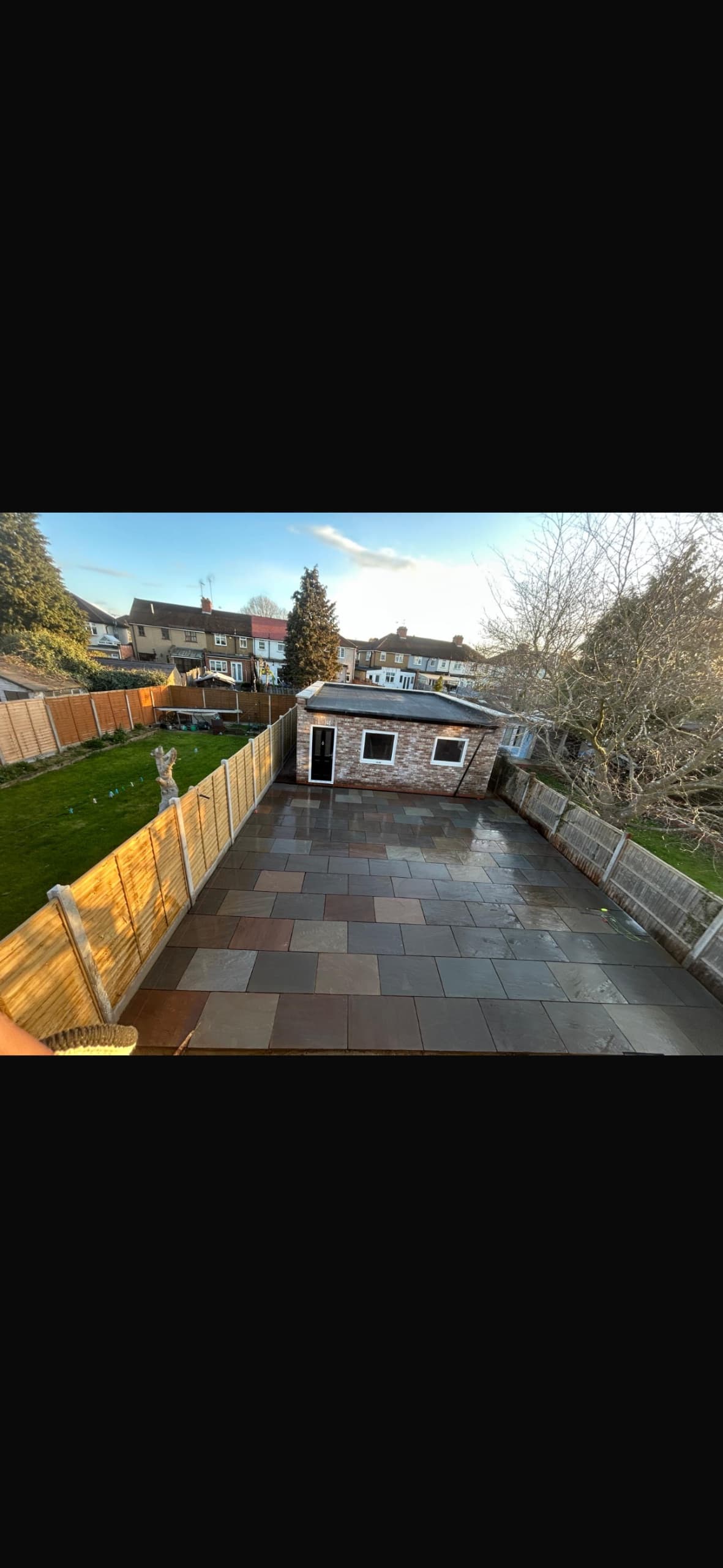
Signs you need patios, landscaping and garden walls
A garden can gradually become difficult to use without one obvious moment when it fails. Paving starts to move, rainwater gathers near the house, planting becomes hard to manage and boundary walls begin to look tired or unstable. By the time these issues are obvious, a simple repair may no longer be the best long-term solution.
For homeowners in St Albans, Harpenden, Hatfield and surrounding areas, a planned landscaping project can bring several improvements together. A new patio, garden wall or wider garden redesign can make the space safer, more practical and better suited to how you use your property.
1. Your paving is uneven, cracked or unstable
Loose or rocking slabs are more than a cosmetic problem. They can create trip hazards, allow water to reach the sub-base and become worse during periods of heavy rain or frost. Cracked paving may also indicate movement below the surface rather than a problem with one individual slab.
Look closely for:
- Slabs that move when walked on
- Wide or recurring joints
- Cracks that continue to return after repairs
- Areas that have sunk beside steps, walls or drainage points
- Moss and standing water caused by poor falls
If several parts of the patio are affected, replacing isolated slabs may only provide a temporary improvement. A properly planned patio project can address the surface, the underlying preparation and the way water leaves the area.
2. Rainwater collects near the house
Puddles around doors, walls and patio edges should not be ignored. Water needs a suitable route away from the building, particularly where paving sits close to the house or where ground levels have changed over time.
Persistent pooling can make the garden unusable after rain and may contribute to damp or staining around external walls. Before choosing new paving, consider the direction of the falls, the position of gullies and whether existing drainage is coping with the area.
Drainage can form part of a wider landscaping project where the layout, levels and surface materials are reviewed together. This is especially important for larger gardens, sloping sites and properties where a patio is being extended.
3. The garden no longer works for everyday life
A garden may need landscaping when it has become difficult to use rather than simply looking untidy. You may have limited seating, no clear route through the space or a lawn that is awkward to maintain. A well-planned layout can divide the garden into practical areas for dining, access, planting and storage.
Think about how you want to use the space throughout the year. A patio near the house may suit outdoor dining, while a separate path could improve access to a shed or outbuilding. Changes in level may also call for steps, retaining features or garden walls to make the layout more manageable.
4. Boundary walls are leaning, cracked or deteriorating
Garden walls provide privacy, define boundaries and support changes in ground level. Signs of trouble include leaning sections, stepped cracks, loose bricks, crumbling mortar and movement after heavy rainfall.
Do not assume that repointing will solve every issue. Cracking can be linked to foundation movement, pressure from retained soil, tree roots or water entering the structure. The cause needs to be considered before deciding whether a wall should be repaired, rebuilt or incorporated into a wider garden redesign.
Where a wall is close to a neighbouring property or public walkway, arrange an assessment promptly. Avoid leaning against unstable sections or attempting to dismantle them without the right preparation and controls.
5. You are planning a wider property project
Patios, landscaping and garden walls often work best when considered alongside other planned building work. An extension, garage conversion or new outbuilding can change access routes, finished ground levels and the way rainwater moves around the property.
Planning everything together can reduce the risk of having newly laid paving disturbed by later construction. It also gives homeowners and builders a clearer view of the finished layout, materials and sequencing before work begins.
What to do next
Start by making a list of the problems you want the project to solve. Include practical concerns such as access, drainage, privacy, seating and maintenance, not only the appearance of the garden. Take photographs from different angles and note any areas that become unusable after rain.
Next, consider the relationship between the garden and the property. Check door thresholds, paths, steps, boundary lines and the position of existing drains. For a larger project, it is sensible to discuss ground levels, materials and the construction sequence before work is scheduled.
A site visit and detailed quotation should make clear what is included, such as excavation, preparation, drainage, wall construction, paving and removal of existing materials. Pricing can be affected by the condition of the ground, access for materials, the size of the area, the chosen finish and whether additional drainage or structural work is required.
Planned landscaping in St Albans and nearby areas
Quinnmore Construction Ltd undertakes planned, larger projects for homeowners and builders, including patios, landscaping and garden walls. Based in St Albans, the business also works across Hatfield, Welwyn Garden City, Harpenden, Potters Bar, Barnet, Radlett, Bernards Heath and Finchley.
If your paving is failing, your garden layout no longer suits the property or a boundary wall needs attention, contact Quinnmore Construction Ltd to discuss the project and request a quote. Saturday availability can also make it easier to arrange an initial conversation around work and family commitments.